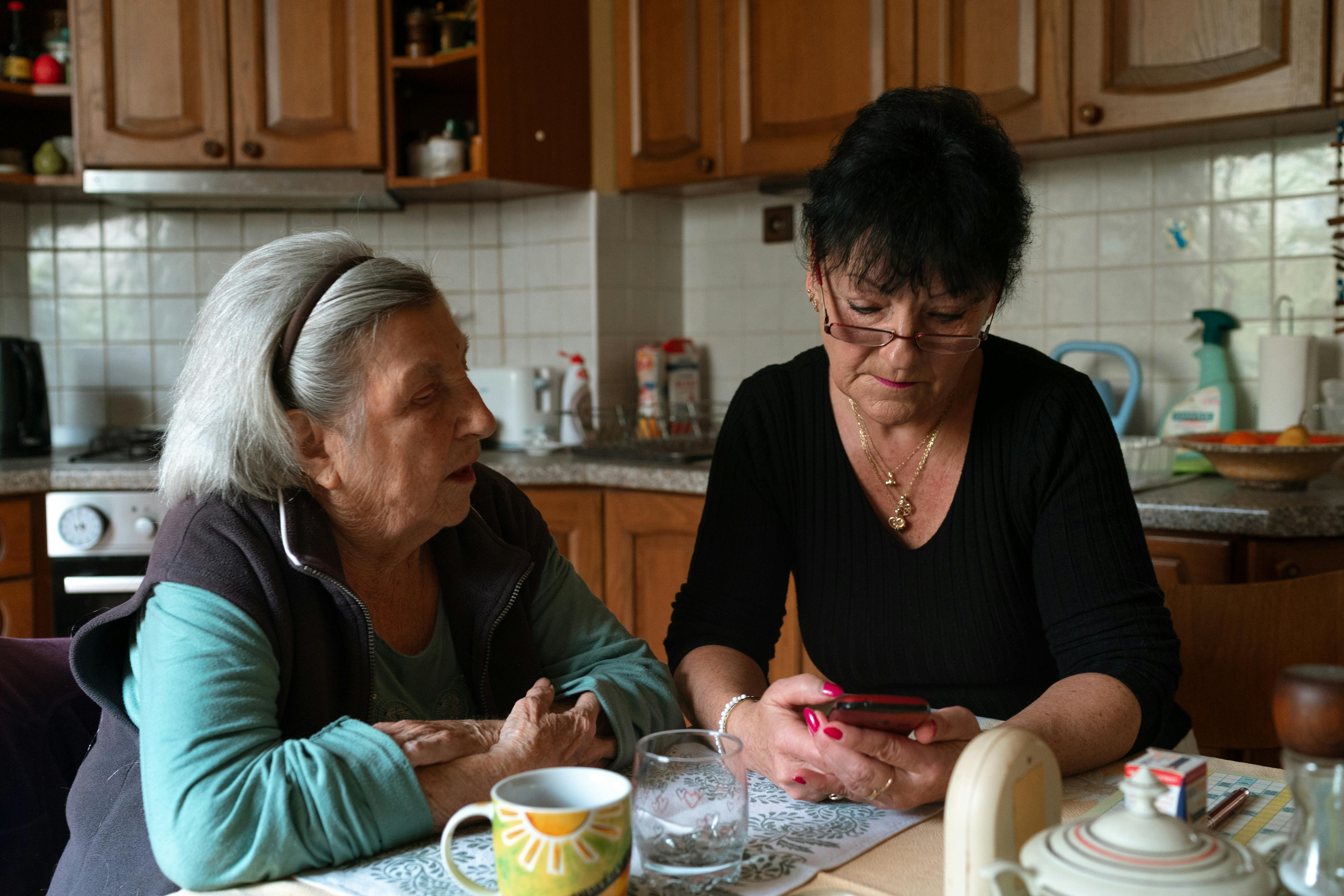
Balancing Work and Caregiving in 2026: 7 Practical Strategies for Overwhelmed Family Caregivers
If you're trying to balance work and caregiving right now, you already know: there aren't enough hours in the day. You're answering emails during doctor's appointments, skipping lunch to make medication runs, and lying awake at night replaying everything that didn't get done. You're not alone — and you're not failing.
According to the 2025 Caregiving in the U.S. report by AARP and the National Alliance for Caregiving, 63 million Americans are now family caregivers — nearly one in four adults.
Of those, 70% are also working, and more than two-thirds report significant difficulty juggling their job with their caregiving responsibilities. Many have reduced hours, passed on promotions, or stepped away from their careers entirely.
The good news? With the right strategies, boundaries, and support systems in place, it's possible to show up fully — for your loved one, your employer, and yourself. This guide walks you through seven practical, research-backed approaches that can make a real difference.
And if you're looking for a community of people who truly get what you're going through, HugLoom (https://www.hugloom.vercel.app) is a caregiver-built, ad-free social network designed exclusively for family caregivers like you. More on that at the end — for now, let's get into the strategies that can help you breathe a little easier.
1. Treat Your Caregiving Role Like a Second Job (Because It Is One)
One of the biggest mistakes working caregivers make is treating their caregiving responsibilities as something they'll "fit in around" their job. In reality, most family caregivers dedicate an average of 27 hours per week to care tasks — on top of full-time employment. That's basically a part-time job.
When you start treating caregiving as a structured role rather than a series of interruptions, everything changes. You can plan, communicate, and protect boundaries more effectively.
Practical steps:
- Block dedicated caregiving hours in your calendar and treat them like meetings you cannot miss.
- Create a weekly "care schedule" that maps out appointments, medication routines, and personal care tasks in advance.
- Use a shared care calendar to keep your family in the loop — this reduces the number of times you have to explain or coordinate last-minute.
2. Have an Honest Conversation with Your Employer
Many caregivers suffer in silence at work, afraid that disclosing their responsibilities will be seen as a weakness or hurt their career. But the data tells a different story: workplaces that support caregivers see higher retention, better morale, and stronger productivity.
The 2025 AARP/S&P Global report found that 80% of working caregivers feel their companies are more understanding of childcare than adult caregiving. That gap is closing — but you may need to start the conversation.
What to ask about:
- Flexible start/end times or a compressed work week
- Remote or hybrid work options for caregiving days
- Employee Assistance Programs (EAPs) that may include caregiver counseling or referral services
- FMLA (Family and Medical Leave Act) protections for intermittent leave
- Dependent care flexible spending accounts (FSAs)
You don't need to share every detail — just enough to open a dialogue and find accommodations that work for both sides.

3. Delegate, Divide, and Stop Doing It All Alone
Caregiver isolation is real — and one of its sneakiest forms is the belief that you're the only one who can do the care tasks "right." But shouldering everything alone is a fast track to burnout, resentment, and exhaustion.
Delegating isn't failing. It's smart care coordination.
Ways to share the load:
- Hold a family meeting to honestly assess who can help with what — transportation, grocery runs, appointments, financial tasks.
- Assign specific recurring responsibilities rather than asking for help when you're already overwhelmed.
- Tap into local volunteer networks. Programs like those connecting caregivers with nearby volunteers for rides, errands, or companionship can fill crucial gaps without adding financial strain.
- If budget allows, explore in-home caregiving services for a few hours a week so you can work without interruption.
4. Set Micro-Boundaries to Protect Both Roles
When everything bleeds together — caregiving into work time, work stress into caregiving moments — both suffer. Micro-boundaries are small, clear separations that help you show up fully in each role.
Examples of micro-boundaries:
- "Work hours" are 9am–5pm. During this window, a family member, aide, or volunteer covers care needs unless it's a true emergency.
- Evenings are for caregiving — no work emails after 6pm.
- At least one Saturday morning per month is protected time just for you — non-negotiable.
These boundaries will be tested. Communicate them clearly, revisit them regularly, and give yourself grace when they slip. The goal isn't perfection — it's a sustainable rhythm.
5. Use Tools That Reduce Mental Load, Not Add to It
The mental overhead of caregiving — tracking medications, appointments, family updates, care decisions — can be just as draining as the physical tasks. The right tools can significantly reduce this cognitive load.
Tools worth using:
- A shared care calendar that all family members can access — so you're not the single point of contact for every update.
- A medication tracker to manage complex routines and set automated reminders — especially critical for dementia care or seniors managing multiple prescriptions.
- A centralized place to document care notes, medical history, insurance info, and emergency contacts — accessible to your whole care circle.
- Telehealth options for routine check-ins, reducing the number of in-person trips you need to manage during work hours.
The right tools work quietly in the background, keeping care running smoothly even when you have a full plate at the office.

6. Prioritize Your Mental and Emotional Wellness — Seriously
Research consistently shows that caregiver burnout is not just a personal problem — it directly impacts the quality of care your loved one receives. You cannot pour from an empty cup, and yet caregivers are often the last ones to tend to their own needs. The 2025 AARP data found that only 36% of caregivers report "very good" mental health, and 27% say caregiving causes them a great deal of stress. For those also managing a demanding job, that number climbs even higher.
Small daily wellness practices that make a difference:
- A five-minute guided breathing exercise before or after your workday to decompress and transition.
- A daily mood check-in — even just noting how you feel can help you catch early signs of burnout before it becomes a crisis.
- Regular connection with people who understand caregiving — not just venting, but genuine mutual support from those in the same situation.
- Respite care — even a few hours a week — to step away completely and recharge.
Wellness isn't a luxury. For working caregivers, it's infrastructure.
7. Explore Financial Resources and Protections You May Not Know About
Financial strain is one of the top stressors for working caregivers. Nearly half of all caregivers report a negative financial impact, and the average caregiver spends around $7,200 out of pocket per year on care-related costs.
But there are resources and protections that many caregivers don't realize they qualify for:
- The Credit for Caring Act (proposed federal legislation) would offer up to $5,000 in tax credits for working caregivers — worth monitoring for 2026 updates.
- Dependent Care FSAs allow pre-tax dollars to cover some elder care expenses through your employer.
- State Medicaid programs in many states offer financial assistance or paid caregiver programs for family members providing care.
- The National Family Caregiver Support Program (NFCSP), administered through your local Area Agency on Aging, offers services like respite care, counseling, and supplemental support.
- VA Caregiver Support Programs for those caring for eligible veterans.
Don't leave money on the table. These programs exist specifically to support working caregivers — take a few hours to research what's available in your state.
Bonus: Quick Daily Habits That Add Up Over Time
You don't need sweeping life changes to start feeling more in control. Here are small daily habits working caregivers swear by:
- Start each morning with a 3-item "Today I'll accomplish" list — one for work, one for care, one for yourself.
- End each evening with a 60-second reset: what went well, what felt hard, what tomorrow needs.
- Say no to one thing per week that isn't essential — at work or in caregiving — and notice how it feels.
- Celebrate small wins. Did your loved one have a good day? Did you make it through a hard week? Those moments matter.
You Deserve Real Support — Not Just Survival Mode
Balancing work and caregiving is one of the most demanding roles any person can hold. It asks everything of you — your time, your energy, your emotional reserves — often without much acknowledgment or reward.
But you don't have to navigate it in isolation. Finding a community of people who truly understand what you're going through — not general wellness advice, but real, lived caregiving experience — can be the difference between barely surviving and actually thriving.
HugLoom was built by a caregiver, for caregivers. It's a verified, ad-free social network where family caregivers connect, share resources, and support one another without judgment. Features like the shared care calendar, medication tracker, mood check, local volunteer connections, and caregiver marketplace were designed around the real daily challenges you face — including the challenge of balancing your caregiving role with the rest of your life.
Join the HugLoom community today and find the connection, tools, and understanding you deserve — at https://www.hugloom.vercel.app