
Stress Management for Caregivers: 8 Real Strategies to Find Relief Without Losing Yourself in 2026
Caregiver stress is real — and it's reaching crisis levels in 2026. Discover 8 practical, research-backed strategies to manage stress, protect your health, and keep going with more ease. https://hugloom.vercel.app
Stress Management for Caregivers: 8 Real Strategies to Find Relief Without Losing Yourself in 2026
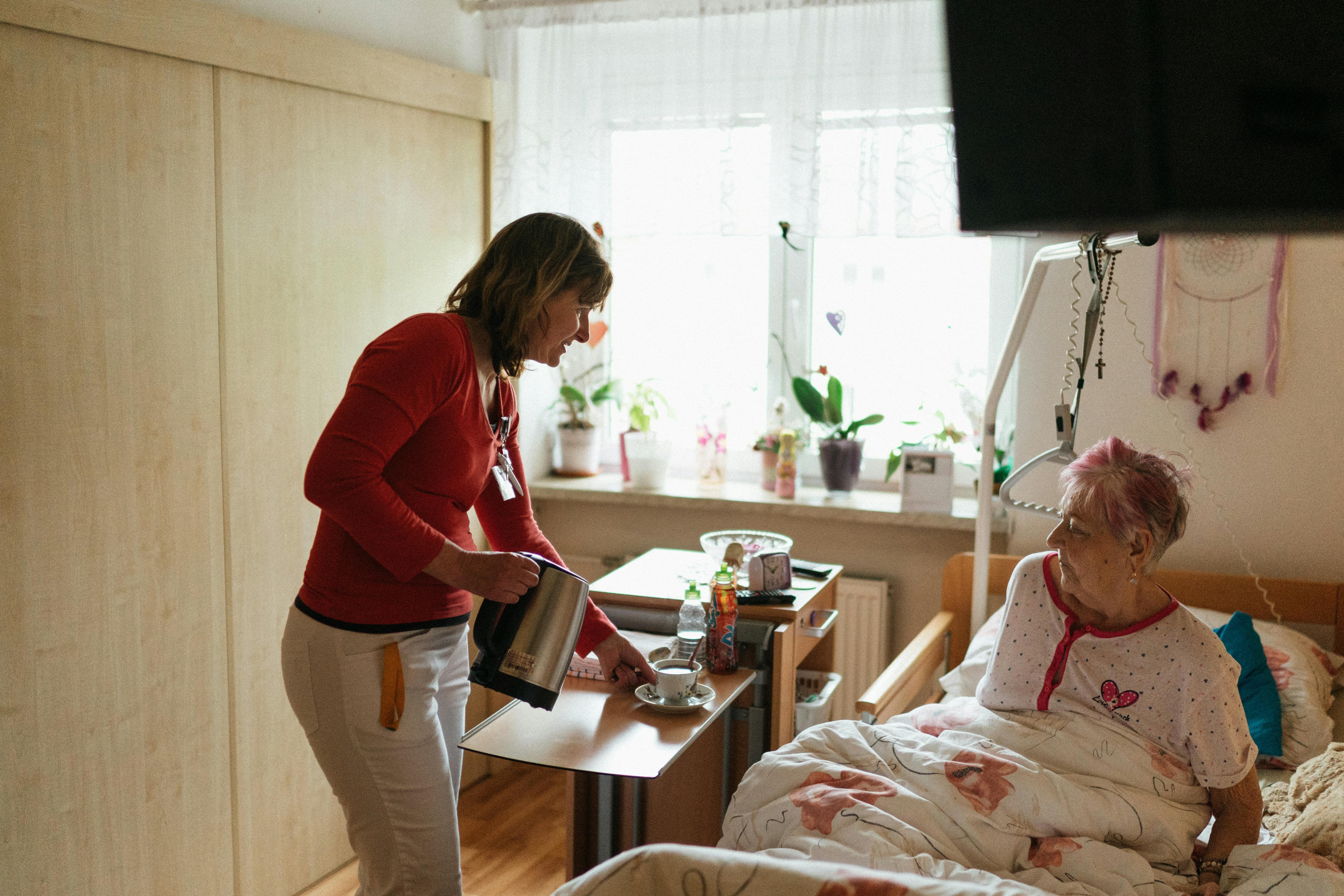
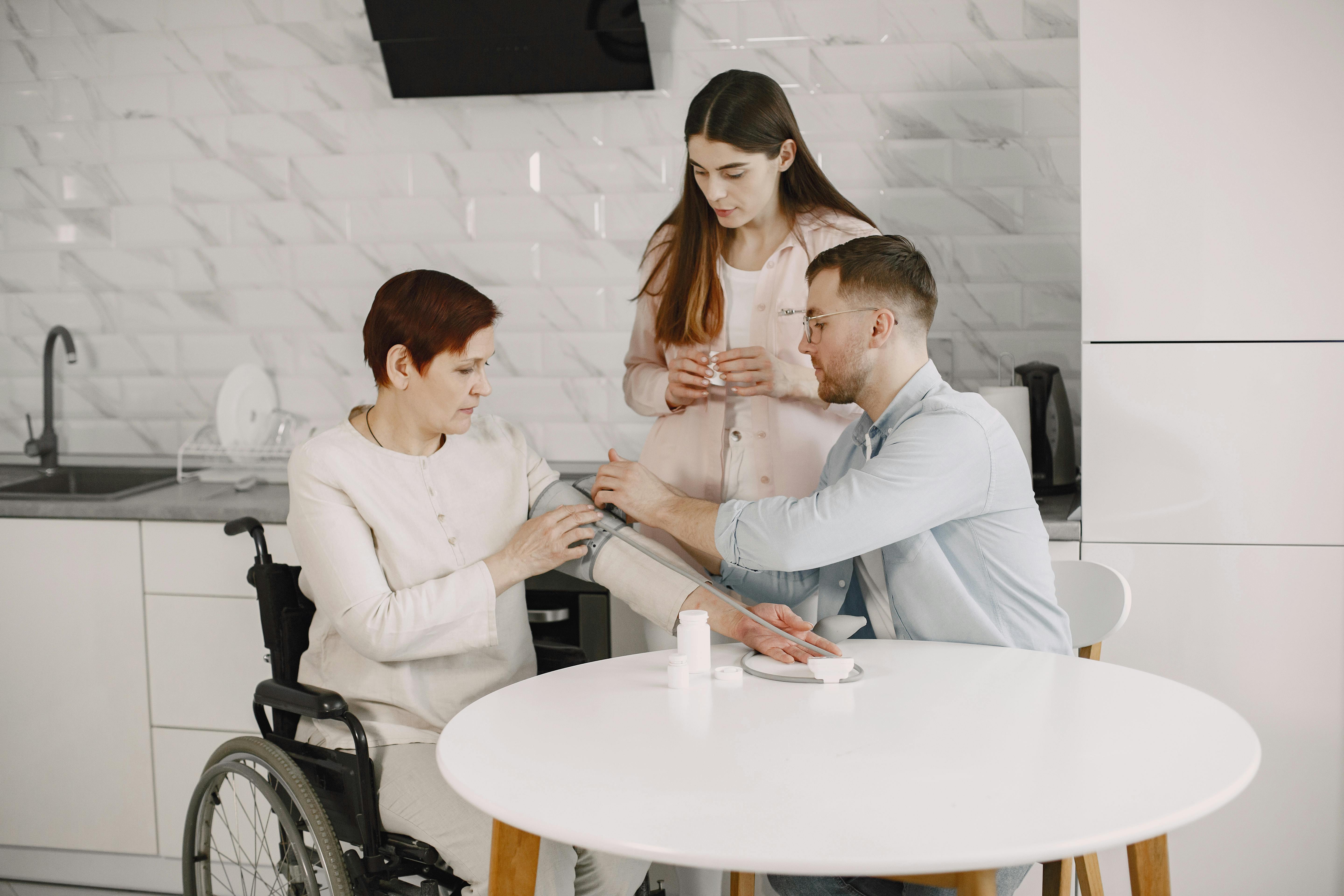
If you're reading this, chances are you're running on fumes. You said yes to caregiving because of love — and you'd say yes again — but nobody warned you that the relentless physical demands, the emotional weight, the sleepless nights, and the gnawing worry would stack up the way they have. Nobody told you that some days you'd feel resentful, then immediately guilty for feeling resentful. Nobody warned you about the loneliness of doing something so important and so invisible at the same time.
Here's what the data says about where you stand right now: 87% of family caregivers experience stress and anxiety at some point, with more than half experiencing it at least weekly. Feelings of overwhelm are nearly as common, reported by 84% of caregivers overall, with nearly half experiencing it weekly. Glimpse You are not weak. You are not failing. You are carrying an enormous load — and you deserve real tools to help you carry it more sustainably.
This blog is about stress management for caregivers that actually works — not the kind that tells you to "take a bubble bath" and calls it a day. These are eight real, grounded strategies that address the specific stressors of family caregiving and help you protect yourself so you can keep showing up for the person you love.
And if you're craving a community of people who truly get what you're living — HugLoom (https://www.hugloom.vercel.app) is a safe, ad-free, verified social network built by a caregiver, exclusively for caregivers. We'll come back to that. First, let's get into what can help you right now.
Understanding Caregiver Stress: Why It's Different From Regular Stress
Stress is a normal human response to pressure. But caregiver stress operates differently from ordinary stress in a few important ways, and understanding those differences helps explain why standard stress-relief advice often falls short.
First, caregiver stress is chronic. It doesn't spike and resolve the way a work deadline or a difficult conversation does. It accumulates slowly over months and years, often with no clear end point in sight. One third of caregivers have been caregiving for five years or more — a significant increase from just a few years ago. UPHH Primary Site
Second, caregiver stress is often invisible. The people around you may not see it building. You've gotten good at holding things together. You keep showing up. And so the assumption from the outside is that you're fine — even when you're not.
Third, caregiver stress comes with a layer of guilt that complicates everything. Feeling frustrated, resentful, exhausted, or even angry isn't allowed to just be a feeling — it comes packaged with shame, because you feel you "should" be more grateful, more patient, more selfless. That guilt consumes energy you can't afford to lose.
Recognizing all of this is the first step. The next is building a sustainable stress management practice that honors the reality of your situation rather than pretending it's simpler than it is.
1. Name What's Actually Stressing You — With Specificity
"Caregiving is stressful" is true but too broad to be actionable. The stress of managing a parent's medication is different from the stress of navigating family conflict about care decisions. The stress of sleeplessness is different from the stress of financial strain. The stress of grief — watching someone you love slowly change — is different from all of them.
One of the most powerful things you can do is get specific about your stressors. Grab a piece of paper and ask yourself: What exact moments in my week feel most unbearable? Is it a specific task? A specific time of day? A relationship? A fear about the future? A feeling of helplessness?
When you identify the actual source of stress rather than staying in a general fog of "everything is hard," you give yourself something you can actually work with. Some stressors can be reduced with practical changes — a different routine, a conversation, a new tool. Others need processing and emotional support. But you can't address what you can't name.
Keeping an organized care plan that contains all the important information about your loved one can help reduce worry — the more you know about your loved one's condition, the more you can reduce that constant anxious wondering. Zencaregiving Having information organized and accessible takes at least one layer of mental load off your plate.

2. Stop Trying to Manage Stress Alone — Connection Is the Antidote
One caregiver put it plainly: "The most helpful resources for me have been the community of caregivers that I'm friends with, because these are the people that understand what you are dealing with." Oxford Academic
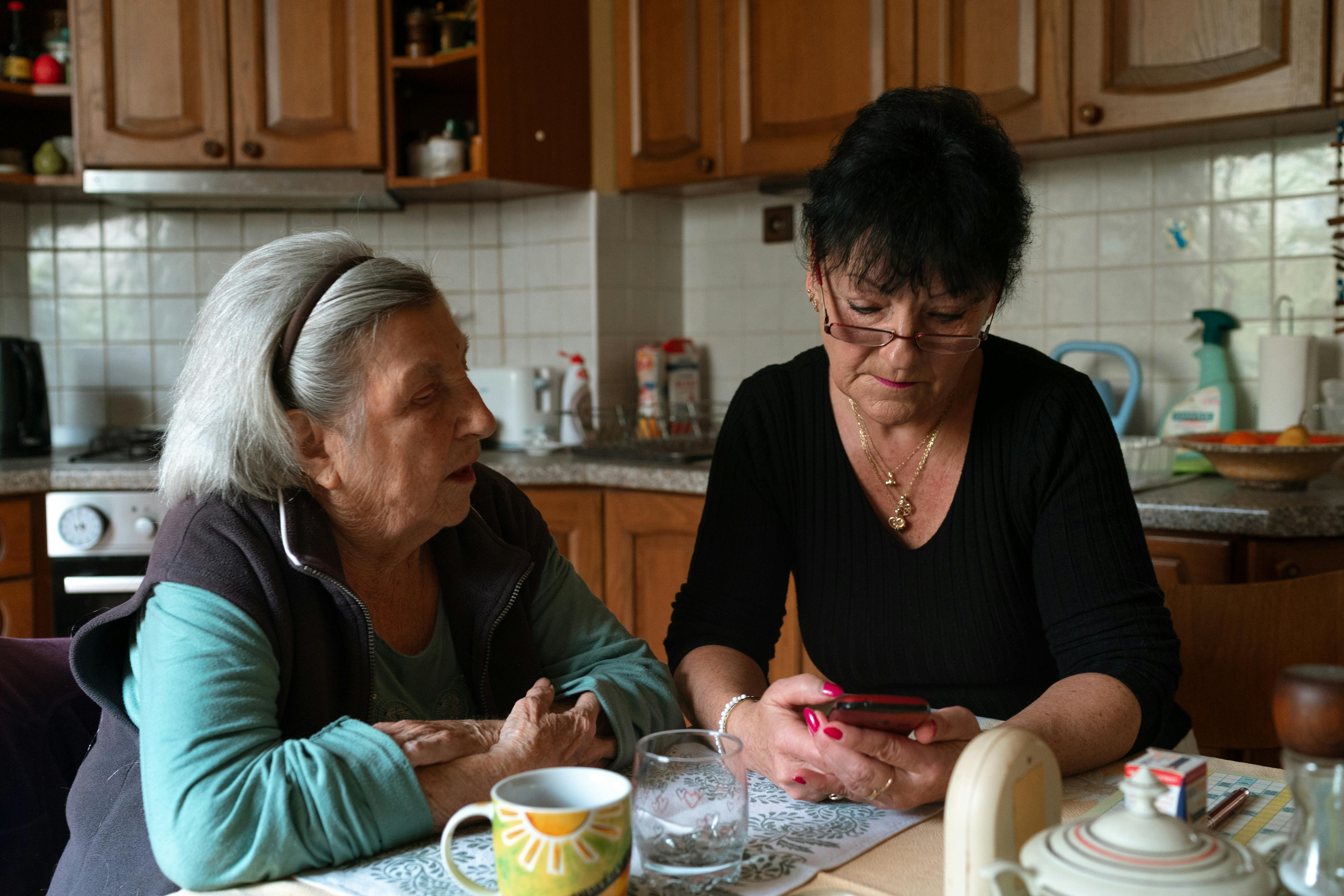
This isn't anecdotal sentiment — it's backed by research. Social isolation is one of the most significant amplifiers of caregiver stress. When you feel like no one around you truly understands what you're going through, the stress calcifies. It has nowhere to go. Venting to someone who doesn't have lived caregiving experience, as much as they love you, often produces more frustration than relief — because you spend half your energy explaining context rather than just being understood.
What makes the difference is connection with people who are in it too. People who understand, without explanation, what it means to grieve someone who is still alive. People who know the particular exhaustion of a night when care needs interrupted sleep three times. People who can offer practical advice because they've already been there.
The U.S. Surgeon General has warned that stress for caregivers is reaching dangerous levels, noting that it is essential for caregivers to invest in themselves to help combat the loneliness epidemic. Keen Home Care Finding a community isn't optional — it's protective.
3. Build Micro-Recovery Moments Into Every Single Day
One of the biggest misconceptions about caregiver self-care is that it requires large blocks of time — a full day off, a proper vacation, a spa day. Those things matter when you can get them, but waiting for them to manage your daily stress means going without relief for far too long.
Micro-recovery moments are small, intentional pauses that interrupt the stress cycle and give your nervous system a chance to reset. They don't require hours. They require minutes — but they need to happen consistently.
Some examples that caregivers find genuinely useful:
Five minutes of deep, intentional breathing before starting a care task — not as a luxury but as a nervous system reset that changes the quality of everything that comes after. A ten-minute walk outside, even just around the block, which research consistently shows lowers cortisol more effectively than most other brief interventions.
A single cup of coffee or tea taken sitting down, slowly, before anyone needs anything from you. A five-minute guided breathing or relaxation exercise at the end of your caregiving day, before you transition into the rest of your evening.
Incorporating mindfulness into your day — whether through deep breathing, a short walk, or a few minutes of quiet reflection — can help manage stress, improve focus, and keep you grounded amid the demands of caregiving. Guardian Life The key is consistency, not duration. Ten minutes every day beats a two-hour session every two weeks.
4. Protect Your Sleep Like Your Health Depends on It — Because It Does
Half of all caregivers report having trouble sleeping at least once a week. Glimpse And sleep deprivation doesn't just make you tired — it amplifies every other stressor. It lowers your threshold for patience. It impairs decision-making. It increases anxiety. It raises your risk for serious physical health conditions over time.
Protecting sleep when you're a caregiver is genuinely hard, especially if your loved one's needs extend into the night. But it's worth treating as a priority problem rather than an unavoidable consequence.
Some practical angles to explore:
Can overnight care tasks be redistributed? Is there a family member, neighbor, or volunteer who could take one night a week so you get uninterrupted sleep? Can a respite care provider cover even occasional nights? If nighttime disruptions are frequent and unavoidable, can you schedule a daily nap during a predictable quiet window? Can you shift your own bedtime earlier on lower-demand evenings to bank more sleep before disruptions occur?
Building good routines around sleep, nutrition, and movement is vital — caregivers and family caregivers need restful sleep to recharge, aiming for about seven to nine hours each night, and scheduling short naps when caregiving disrupts overnight sleep. AARP It won't always be possible to hit that target — but making sleep a priority rather than an afterthought shifts the entire equation.
5. Move Your Body, Even When You Have No Energy For It

Exercise is one of the most well-researched stress interventions that exists — and one of the most commonly skipped by caregivers, because when you're already exhausted, the idea of adding anything to your plate can feel absurd.
The reframe that helps most caregivers: you don't need a gym membership, a workout routine, or a specific amount of time. You need movement. And movement can look like a fifteen-minute walk while your loved one rests. It can look like stretching for five minutes in the morning before the day begins. It can look like dancing to one song in the kitchen while making lunch.
Regular exercise, such as short walks, stretching, or yoga, boosts mood and is proven to reduce caregiver stress. AARP The mechanism is physiological — movement metabolizes stress hormones, releases endorphins, and interrupts the chronic low-grade fight-or-flight state that many caregivers live in without realizing it. Even a small dose of movement, taken consistently, compounds over time into meaningfully lower baseline stress.
If you have a mobile app for tracking your wellness or mood, use it to also track movement — even briefly. Seeing a streak of daily walks, no matter how short, builds a sense of agency and accomplishment in a role where so much feels out of your control.
6. Get Ahead of Guilt — The Most Draining Emotion in Caregiving
Guilt is the hidden tax on almost every aspect of caregiver life. You feel guilty for taking time for yourself. Guilty for feeling frustrated. Guilty for not doing more, even when you're doing everything you can. Guilty for having moments of wishing things were different. Guilty for being human.
Left unaddressed, guilt is one of the most significant contributors to caregiver burnout — because it prevents you from taking the breaks and getting the support you need, which accelerates exhaustion, which makes everything harder. It's a vicious cycle that starts with the belief that your needs don't matter as much as your loved one's needs.
Here's a reframe worth sitting with: caring for yourself is not a betrayal of your loved one. It is a direct investment in your ability to continue caring for them. You cannot pour from an empty cup — that phrase is overused because it is persistently true. Every time you rest, connect with someone who supports you, or take a moment for yourself, you are not abandoning your caregiving role. You are sustaining it.
Taking the time to accept the situation that your loved one is in lessens the emotional trap of searching for someone or something to blame — an exhausting process that drains energy very quickly. BIOENGINEER.ORG Extending that same acceptance to yourself — accepting that you are doing the best you can with what you have — is the antidote to guilt-driven burnout.
7. Watch for the Early Warning Signs of Burnout — and Act Before It Peaks
In new 2025 survey data, 78% of caregivers report experiencing feelings of burnout, with many describing it as a weekly or even daily occurrence. AARP That number is not a crisis unique to struggling caregivers — it reflects the structural reality of what caregiving asks of people. But catching burnout early, before it becomes severe, makes a significant difference in how long it takes to recover.
The early warning signs of caregiver burnout include things like: losing interest in activities that used to bring you joy; increased irritability or impatience with your loved one or others; a persistent sense of hopelessness or that nothing will ever get better; social withdrawal — pulling back from friends, community, or conversations; declining physical health; and a feeling of going through the motions without any genuine engagement.
Signs of caregiver stress also include feeling burdened or worrying constantly, feeling tired often, sleeping too much or too little, gaining or losing weight, becoming easily irritated or angry, and losing interest in activities you once enjoyed. AARP
If you're recognizing several of these in yourself right now, that's important information — not a judgment. It means you need more support than you're currently getting, and it's worth taking seriously before the depletion goes deeper. Talk to your doctor, reach out to a mental health professional, look into respite care options, and lean on a caregiver community that understands what you're experiencing.
8. Create a Personalized Stress First-Aid Kit
A stress first-aid kit is simply a pre-decided list of things that reliably help you feel better — things you can turn to automatically when you're overwhelmed, without having to think or decide in the moment when you have the least capacity to do either.
Yours might include: the name of one person you can call who will listen without judgment. A specific playlist of music that shifts your mood. A five-minute breathing exercise on your phone. A short walk to a specific place near your home. A particular comfort food or drink that feels like care. A few lines from a journal where you've written down good moments. A reminder of why you started — a photo, a memory, a value.
The point of building this in advance is that when stress peaks, your thinking brain narrows. You don't want to have to search for relief when you're already overwhelmed. Having a small, personal list of "this is what I do when I hit a wall" makes it dramatically more likely you'll actually use it.
Nearly three-quarters of caregivers report making time for self-care at least weekly, and 58% make time for it daily or a few times a week — and confidence in managing caregiving is common even among those experiencing stress, suggesting that strain and self-assurance often coexist rather than cancel each other out. AARP Your stress first-aid kit is how you build that confidence — not by pretending things aren't hard, but by knowing you have a plan when they are.

You Need More Than Strategies — You Need a Community
Strategies help. But the most important thing for long-term caregiver wellbeing isn't a technique — it's connection. It's being seen, understood, and supported by people who are living what you're living.
That's why HugLoom exists. Built by a caregiver who felt the isolation of this role firsthand, it's a verified, ad-free social network designed exclusively for family caregivers. No clutter, no spam, no having to explain yourself to people who don't understand. Just a real, warm community of people navigating elder care, dementia support, coordination challenges, financial pressures, and the full emotional range of caregiving — together.
Features like the shared care calendar, medication tracker, mood check-in tool, local volunteer connections (Local Hugs), and the caregiver marketplace are all built around the real daily needs you're managing. And the community at the center of it is the thing that can make the biggest difference of all.
You deserve to feel supported. Join the HugLoom community today at https://www.hugloom.vercel.app — and find people who truly understand.