Top 8 Home Safety Modifications for Seniors in 2026
Keeping your senior loved one safe at home is crucial for family caregivers. Discover 8 practical home safety modifications for seniors in 2026 to prevent falls and support aging in place. These tips make elderly care at home safer and easier. Find more resources and connect with fellow caregivers on https://HugLoom.vercel.app
If you’re a family caregiver, the safety of your loved one’s home probably keeps you up at night. You want them to stay independent, comfortable, and—most importantly—safe in the place they know best.
With more seniors choosing to age in place than ever before, thoughtful home safety modifications for seniors have become essential tools in 2026.
These small but powerful changes can dramatically lower fall risks, reduce daily stress, and give both you and your loved one greater peace of mind. Falls remain one of the leading causes of injury for older adults, yet many are preventable with the right adaptations.
In this guide, we’ll walk through eight highly effective home safety modifications for seniors that are practical, affordable, and proven to support elderly care at home.
Whether you’re just starting your caregiving journey or looking to make your current setup even better, these tips are designed to help you create a secure environment while honoring your loved one’s desire for independence. Let’s get started.
1. Install Grab Bars in Key Areas
Grab bars are often the first and most impactful home safety modification for seniors. They provide reliable support during those tricky transitions—getting on and off the toilet, stepping in and out of the shower, or moving from bed to chair.
Why it matters: Many seniors experience reduced strength and balance over time. A well-placed grab bar can prevent a slip from becoming a serious fall.
How to do it:
- Choose bars with a non-slip texture and weight capacity of at least 250 pounds.
- Have them professionally installed into wall studs (never just drywall anchors).
- Place them at 33–36 inches from the floor in bathrooms, beside beds, and near favorite chairs.
Caregiver benefit: You’ll worry less about bathroom accidents or nighttime falls, freeing up mental energy for other parts of caregiving. Many families report that this single change gives their loved one a noticeable boost in confidence.

2. Improve Lighting Throughout the Home
Poor lighting is a silent hazard in many senior homes. Shadows, dark hallways, and dim stairways increase the chance of trips, especially for those with vision changes or dementia.
Practical upgrades:
- Install motion-sensor lights in hallways, bathrooms, and stairwells so paths light up automatically.
- Add nightlights with gentle, warm glows in bedrooms and bathrooms.
- Replace standard bulbs with brighter LED options (aim for 800–1100 lumens in main living areas).
The difference it makes: Better visibility helps seniors navigate safely at any hour. As a caregiver, you’ll sleep easier knowing your loved one can move around confidently, even when you’re not right there.
3. Remove or Secure Tripping Hazards
Loose rugs, extension cords, and clutter are among the most common causes of falls in elderly care at home.
Action steps:
- Roll up and remove throw rugs or secure them with double-sided tape and non-slip backing.
- Tuck away or use cord covers for electrical cords.
- Clear pathways in high-traffic areas like the living room and kitchen.
Long-term win: A clutter-free floor doesn’t just prevent accidents—it also makes daily caregiving tasks (like helping with mobility) much smoother and less physically demanding for you.
4. Upgrade to Non-Slip Flooring
Wet bathroom and kitchen floors are high-risk zones. Replacing or covering slippery surfaces is a smart home safety modification for seniors.
Best options:
- Textured vinyl or rubber flooring in wet areas.
- Non-slip mats with strong adhesive backing in front of sinks and showers.
- Carpet with low pile and excellent traction in other rooms.
This change is especially helpful for seniors with neuropathy or balance issues, common in home care for seniors.

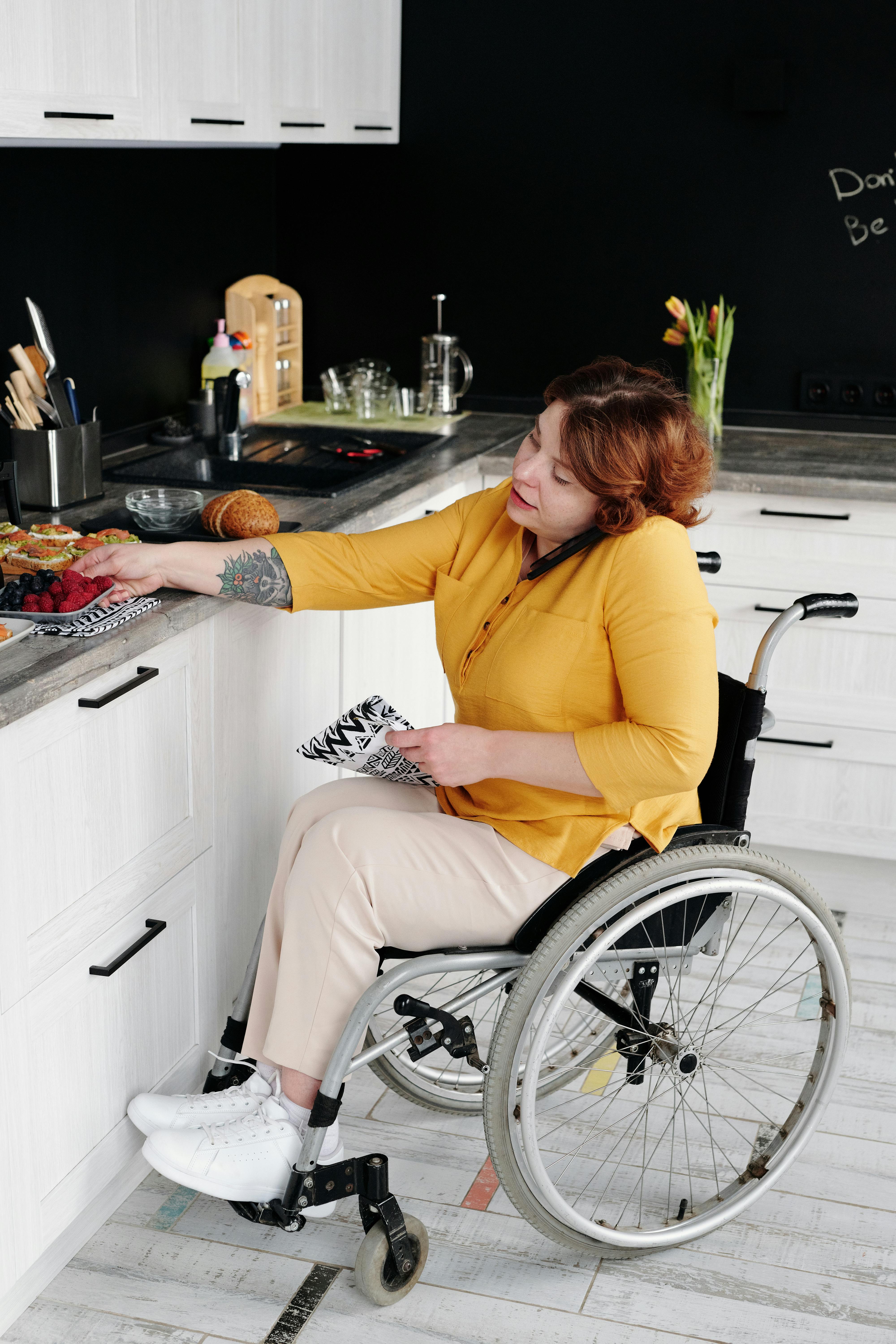
5. Add Ramps for Wheelchair or Walker Access
Even a small threshold can become a major barrier. Gentle ramps restore freedom of movement.
Implementation tips:
- Use portable or permanent ramps at entryways and interior thresholds.
- Choose ramps with handrails and non-slip surfaces.
- Keep the slope gentle (no steeper than 1:12 ratio).
Emotional impact: Being able to move freely between rooms or get outside helps preserve dignity and mental wellness—something every caregiver wants for their loved one.
6. Elevate Toilet Seats and Add Support
Standard toilets can be difficult to use for anyone with joint pain or limited mobility.
Solutions:
- Install raised toilet seats (2–4 inches higher) with built-in arms.
- Add a safety frame if extra support is needed.
This simple change reduces strain on knees and hips, making one of the most frequent daily activities safer and more comfortable.
7. Organize Storage at Reachable Heights
Reaching up or bending down can lead to dangerous stumbles.
Smart reorganization:
- Move frequently used items to waist-level shelves.
- Install pull-out drawers and lazy Susans in lower cabinets.
- Use over-the-door organizers or rolling carts for extra storage.
Caregivers often notice an immediate drop in “reach-related” incidents after making these adjustments.
8. Integrate Smart Home Alerts and Emergency Tools
Technology has made huge strides in supporting senior home safety.
Recommended tools:
- Wearable fall-detection pendants or watches that alert family or emergency services.
- Smart doorbells with video and two-way talk.
- Voice-activated assistants for medication reminders and emergency calls.
- Bed and chair sensors that notify you if your loved one gets up at night.
These solutions provide an extra layer of protection while giving caregivers valuable peace of mind, even when they’re not physically present.
How These Changes Lighten the Caregiving Load
Every one of these home safety modifications for seniors does more than prevent accidents—they reduce the constant mental load caregivers carry. When the home environment is safer, you spend less time worrying and more time enjoying moments with your loved one.
That’s the real gift of thoughtful elderly care at home.
Many caregivers share that after implementing just a few of these changes, they feel more in control and less overwhelmed. The home becomes a true sanctuary rather than a source of anxiety.
Final Thoughts
Creating a safer home for your senior loved one doesn’t have to be expensive or overwhelming. Start with one or two modifications that address your biggest concerns, then build from there. Each change is an act of love that supports independence, dignity, and well-being.
For more insights from caregivers who have walked this path, practical advice on home care for seniors, and a space where you’re truly understood, visit the supportive community at https://hugloom.vercel.app/